
The Surprising Health Benefits of Homemade Refrigerator Pickles
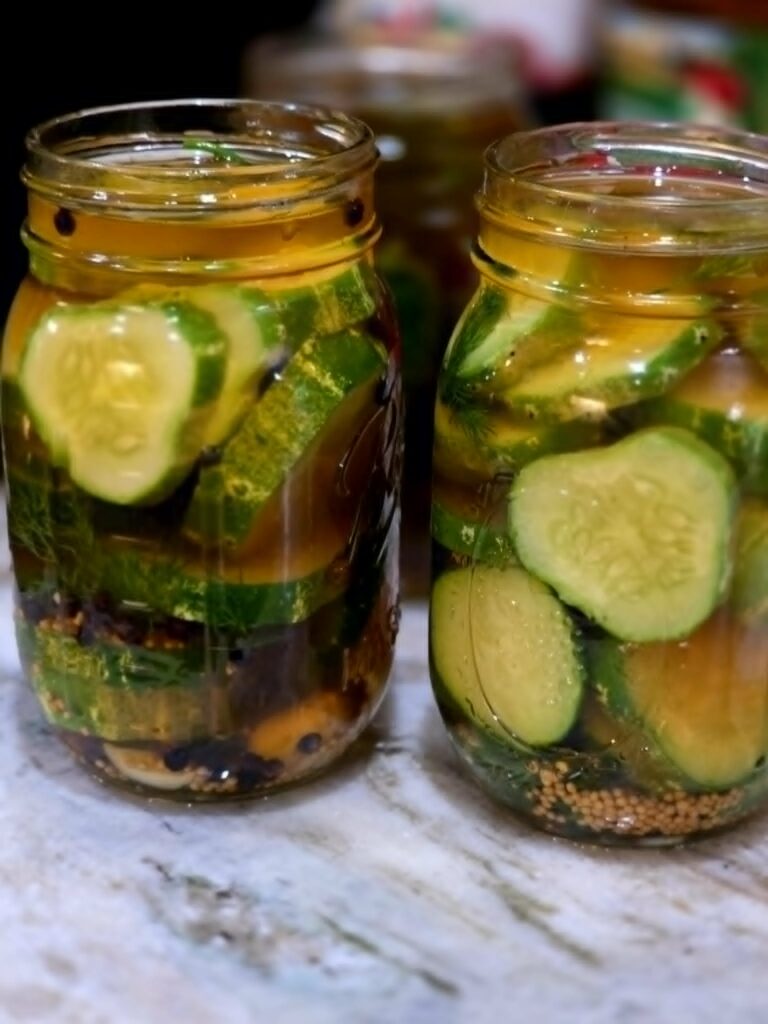
Refrigerator pickles are quick, crisp and surprisingly supportive for your health. They hydrate, deliver minerals, support digestion through vinegar and bring antioxidants from garlic and fresh dill. They’re not fermented — so no probiotics — but they do help support healthy stomach acidity, blood sugar and overall digestive comfort in ways most people don’t realize.
I was fortunate enough to be taught a simple method by a true canning expert and then realized how much digestive support this recipe offered! So where is the benefit you ask??
Hydration + Electrolytes
Cucumbers are about 95% water, and the brine provides sodium for electrolyte balance, making these this snack a refreshing, mineral‑supportive snack — especially helpful in hot weather or after sweating. Drinking some of the brine can help replenish sodium lost through sweating, especially in hot weather!
Digestive Support from Vinegar
Apple cider vinegar or white vinegar provides real digestive support by gently increasing stomach acidity, activating pepsin for protein breakdown, and helping stabilize post‑meal blood sugar. Even though refrigerator pickles aren’t fermented, the vinegar in the brine still stimulates early‑phase digestion and can reduce bloating, belching, and that “heavy” feeling after meals.
Antioxidants from Garlic + Fresh Dill
Garlic, fresh dill, mustard seed and peppercorns infuse the brine with antimicrobial and antioxidant compounds, including flavonoids and plant polyphenols. These herbs help reduce oxidative stress, support immune function and add a bright, fresh flavor that makes refrigerator pickles feel both clean and functional.
Natural Low‑Sugar, Low‑Calorie, Whole‑Food Flavor
Homemade refrigerator pickles are naturally low in sugar and calories, offering a crisp, whole‑food way to add flavor without preservatives or additives. They’re a simple, nutrient‑conscious upgrade to meals — especially when you want something crunchy that doesn’t derail blood‑sugar balance.
What They Aren’t
Refrigerator pickles aren’t fermented, so they don’t contain probiotics — but they also aren’t packed with the additives you find in most store‑bought jars. Commercial pickles often contain preservatives, artificial colors, stabilizers and high‑fructose corn syrup, and these additives can irritate digestion, disrupt gut balance and contribute to unnecessary inflammatory load.
Homemade refrigerator pickles skip all of that. While some recipes (including mine) use a small, optional amount of raw cane sugar to take the sharp edge off the vinegar, it doesn’t make the pickles sweet — they remain classic dill pickles made with clean, whole‑food ingredients and no synthetic additives.
Bottom Line
Refrigerator pickles are a simple, delicious way to support hydration, digestion, and antioxidant intake — all with clean, whole‑food ingredients. They’re not fermented and they’re not probiotic, but they are a nutrient‑conscious condiment made without dyes, preservatives, or the additives found in most commercial pickles. Just crisp cucumbers, herbs, vinegar, salt, and a touch of optional sugar to soften the bite. A clean, crunchy upgrade that fits beautifully into a nutrient‑dense lifestyle.
Ingredients
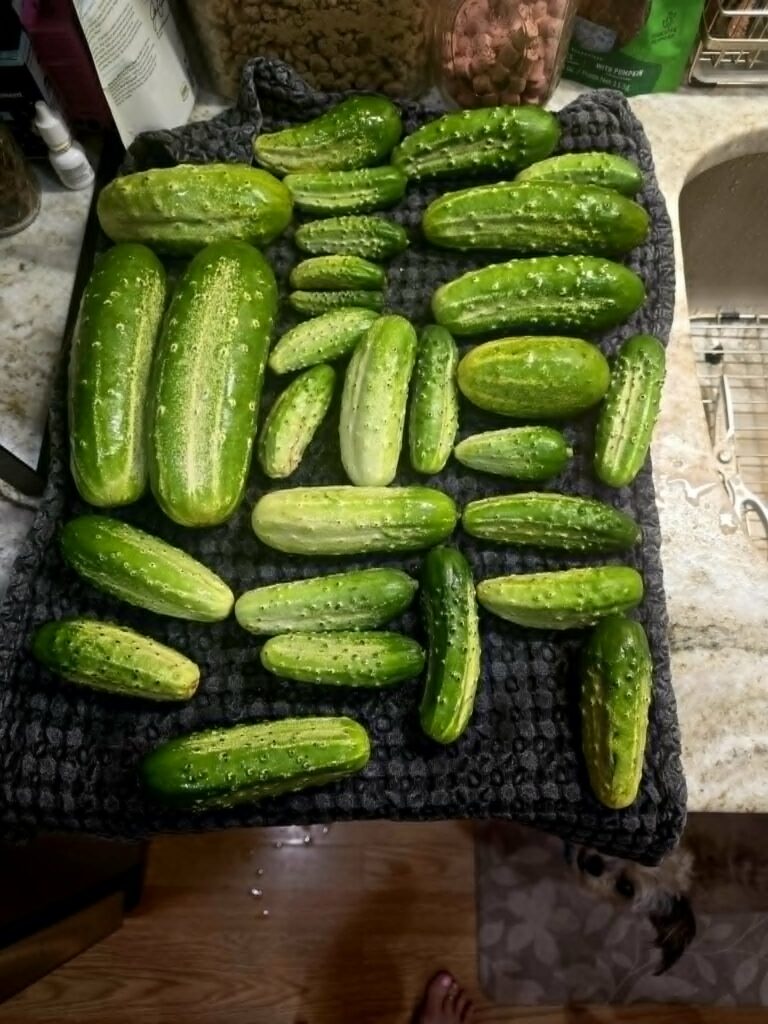
- 2 large cucumbers (sliced into rounds or spears)
- 1 cup water
- 1 cup vinegar (white or apple cider – I use a combo of both – ½ cup each)
- 1 tablespoon canning salt
- 1 tablespoon raw cane sugar (optional — for balance, not sweetness)
- 2-3 garlic cloves, smashed
- 3-4 sprigs of fresh dill
- 1 teaspoon peppercorns
- 1 teaspoon mustard seeds
- Optional: red pepper flakes for heat
Instructions
- In a 16 or 32 ounce mason jar, add garlic, fresh dill, peppercorns, mustard seeds, and any optional spices to the bottom of the jar.
- Add sliced cucumbers and pack well.
- In a small pot, warm the water on low heat, add vinegar, salt and sugar. Stir until it all dissolves.
- Pour the brine over the cucumbers.
- Seal the jar and refrigerate.
- Let them sit 24 hours for flavor — they get better over 48–72 hours.
They last 2–3 weeks in the fridge. I usually double the recipe and make two large jars at a time! Enjoy this crisp, yum and healthy snack!
-Anna Richardson, BCHHP, CFNC, CHHC